Children's Health: Programs & Initiatives
UNICEF works nonstop to help end preventable maternal, newborn and child deaths by scaling up essential care services, increasing immunization coverage and strengthening health systems to better respond to outbreaks. Learn more.
UNICEF’s global child health approach helps make quality health care, nutrition and vaccines available to every child. UNICEF child health programs, including maternal and child health programs, provide essential care before, during and after birth to improve child survival and help mothers and children stay healthy.
Why is child health important for UNICEF's work?
The world has achieved dramatic reductions in child mortality. Since 1990, Globally, the number of deaths of children under age 5 has dropped by about 60 percent, according to the latest UNICEF data.
But progress has slowed, and there is much more work to be done.
Tens of thousands of children still die every day from preventable or treatable causes related to lack of basic health care and other factors, such as poor nutrition and unsafe water.
Many child deaths are the result of conflict and other humanitarian emergencies.
The reasons child health is important go beyond child survival. Good health provides a stronger foundation for a child to grow, develop, learn and reach their full potential.
UNICEF believes in the right of every child to be healthy — to not only survive, but to thrive.
Read about how UNICEF supports maternal health
How do UNICEF child health programs improve children's health?
Through its many public and private partnerships, and operating at the global, national and community levels, UNICEF engages in a number of activities, including:
Reducing under-5 child mortality
UNICEF works with partners to end preventable maternal, newborn and child deaths by scaling up essential primary health care services. That work includes helping to train and otherwise support community health workers and others working on the front lines to help ensure access to those services.
Vaccination
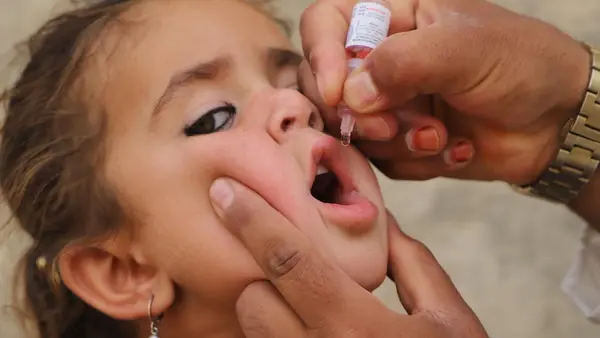
Another top priority for UNICEF is to strengthen immunization programs to make sure every child is reached with lifesaving vaccines.
Water, sanitation and hygiene (WASH)
UNICEF's programs that improve access to safe, clean water and sanitation and promote and enable best hygiene practices like handwashing and toilet use help reduce the spread of diseases like cholera, ebola and mpox (monkeypox) in children.
Outbreak response
UNICEF helps communities and countries respond to disease outbreaks and build resilience within health systems to ensure that health services can continue, even during a crisis.
Early childhood development (ECD)
UNICEF works with partners to expand early childhood development programs to make sure babies are getting what they need for a healthy start in life.
Nutrition
Improving nutrition by supporting community programs including counseling for caregivers in best feeding practices goes a long way toward protecting children's health. UNICEF also supports expanding malnutrition screenings and treatment for children suffering from severe acute malnutrition, which can be fatal.
Mental health
UNICEF also prioritizes supporting adolescent health and well-being — mental as well as physical — and ensuring equitable access to services for all, including children with disabilities.
HIV/AIDS
UNICEF has been working steadily with its partners around the world to expand access to HIV testing and treatment and prevent mother-to-child transmission to help advance toward an AIDS-free world.
Non-communicable diseases
UNICEF collaborates with governments and partners to strengthen primary health systems and reduce the risks of NCDs for children and young people, while also advocating for greater public-private sector investment in early detection, prevention and treatment of childhood NCDs.
Learn more about how UNICEF fights childhood non-communicable diseases
Emergency relief
Safeguarding children's health is a major focus whenever UNICEF responds to an emergency, helping families and communities recover from a crisis or disaster. Restoring access to essential health services is a critical part of that recovery.
When rebuilding health infrastructure, the goal is always to build back better to ensure sustainable delivery of quality health services — another strategy for reducing child mortality, ensuring child survival and strengthening overall global child health.
Learn more about UNICEF emergency response
Frequently asked questions about children’s health
Why is child health important?
Good health is essential not only for children’s survival, but also for their physical, cognitive and emotional development, their ability to learn and thrive in school and their long-term well-being. Good health helps kids succeed in education and beyond; access to quality health care, nutritious food, safe water and sanitation, and nurturing care gives children a stronger foundation to reach their full potential.
How do UNICEF child health programs support global child health?
UNICEF child health programs support global child health by strengthening primary care, expanding immunization and nutrition services, and improving access to safe water. In emergencies and in communities worldwide, UNICEF’s maternal and child health programs deliver essential care and supplies that promote child survival and help children thrive.
What is the leading cause of child mortality?
The leading cause of child mortality varies by a child’s age and location. Among newborns, prematurity and complications during labor and delivery are the biggest threats; after the first month, malaria is the largest killer, while pneumonia and diarrhea are also major causes of child mortality. Malnutrition can cause death directly and weaken children’s immunity, increasing their risk of dying from common illnesses.